Painted vs. Natural Wood Cabinets: Pros, Cons & How to Choose
Choosing between painted cabinetry and natural stained wood is one of the biggest decisions in a kitchen remodel. Both can look incredible, so the right choice usually comes down to how your family actually uses the space every day. Here at CDI, we walk homeowners through the real-world pros and cons of each so there are no surprises years down the road.
Painted Cabinetry
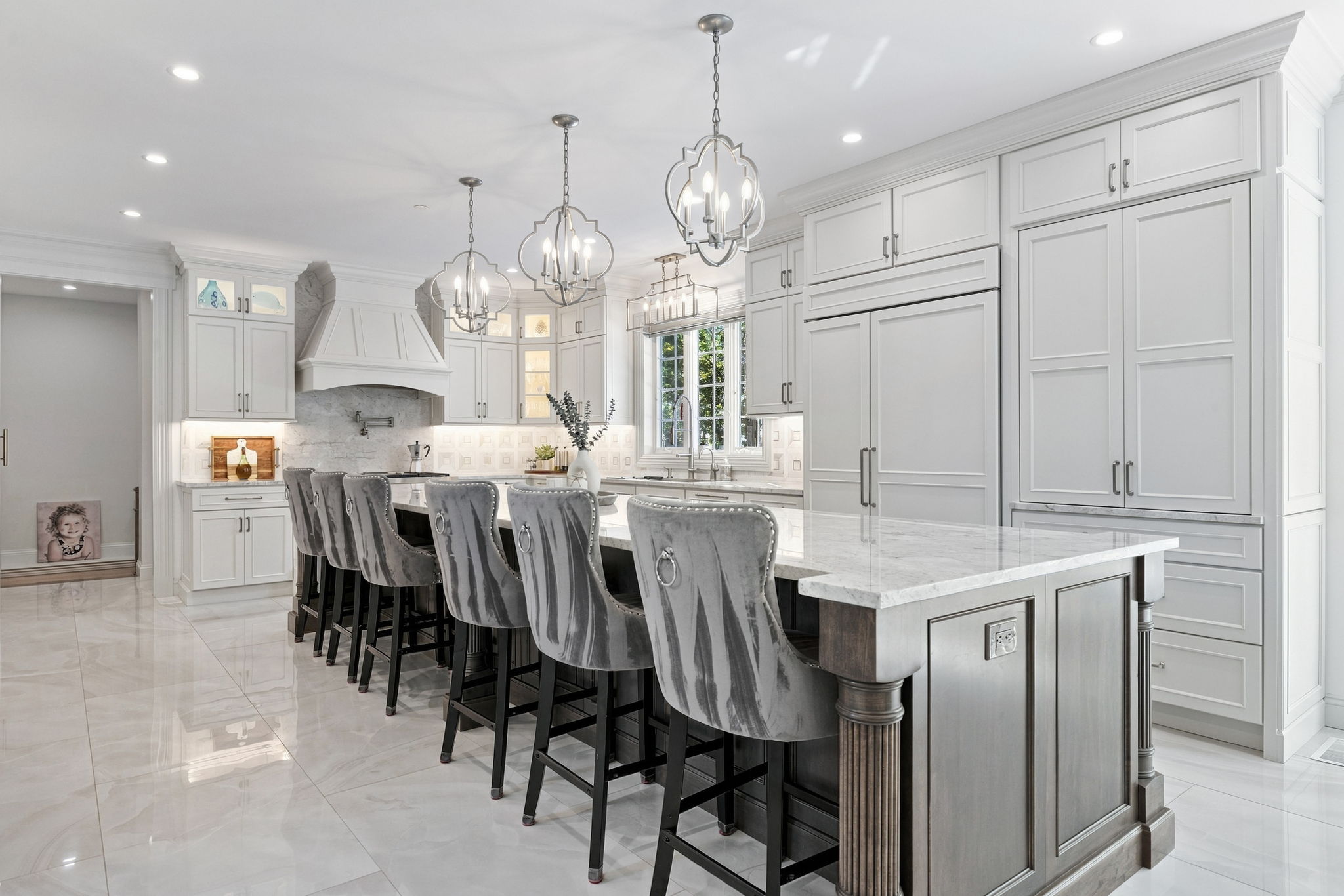
Painted cabinets remain a favorite for a reason—they give you a crisp, tailored look and open the door to virtually any color palette, from warm creams and soft taupes to muted sage greens.
- The Pros: Endless color flexibility, a clean and consistent finish without visible grain variation, and the ability to brighten up smaller kitchens or spaces with limited natural light.
- The Cons: Painted finishes tend to show dings, chips, and everyday scuffs more easily—especially around the sink, dishwasher, and trash pull-out. Because paint creates a solid, uniform surface, touching up a chip or scratch is much harder to blend seamlessly and is usually more noticeable to the eye.
Natural & Stained Wood Cabinetry

Stained wood—like white oak, maple, or walnut—brings organic warmth, natural texture, and timeless character into a kitchen.
- The Pros: Wood grain naturally disguises minor bumps, fingerprints, and everyday wear. If a drawer front does get nicked by a vacuum, a stool, or a dropped pan, a stained wood cabinet is far more forgiving and much easier to touch up with a stain pen or wax fill stick without leaving an obvious mark.
- The Cons: Because wood is a natural material, grain patterns and stain absorption vary from door to door, which creates organic movement rather than a uniform look. Natural wood tones also naturally mellow and shift slightly in color as the wood ages over time.
Our Go-To Recommendation for Busy Kitchens
If you have young children, pets, or cook heavily every day, you don’t have to choose one finish over the other. One of our favorite design solutions at CDI is pairing stained wood base cabinets with painted upper cabinets.
Putting stained wood on the lowers—where kicks, vacuum bumps, spills, and heavy drawer use happen—gives you maximum durability and easy touch-ups where it counts most. Keeping painted cabinetry on the uppers brings color, brightness, and a lighter visual feel to eye level, tying the entire kitchen together beautifully.
See the Finishes Side by Side
The best way to decide is to see how different wood grains and paint finishes look and feel in person. Stop by our showroom on Mystic Ave in Medford to compare door samples under natural light and talk through what will hold up best for your household.